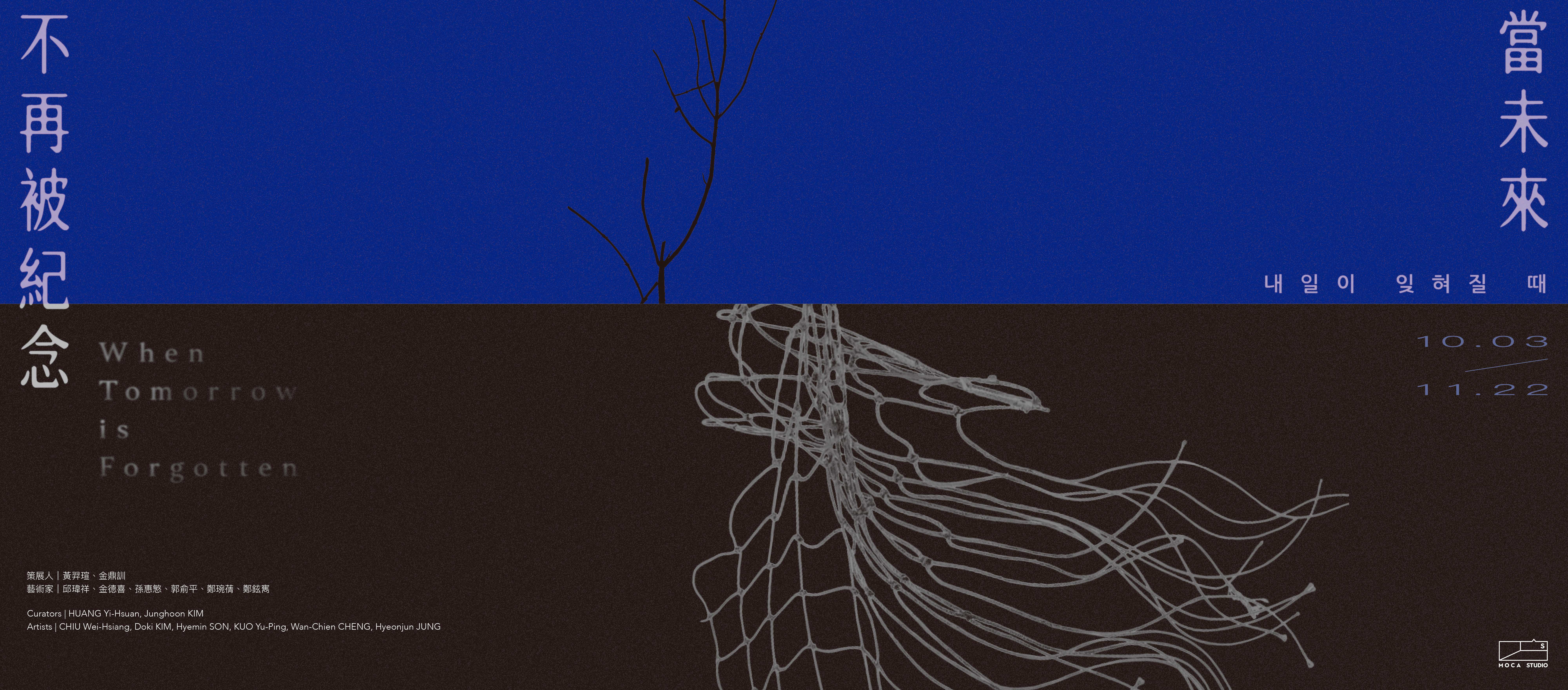
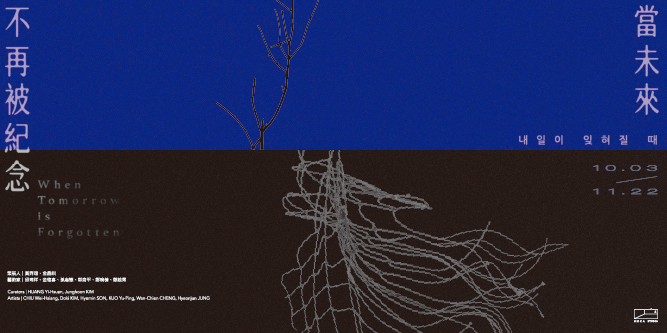
When Tomorrow is Forgotten

2026 / 10 / 03 Sat.

2026 / 11 / 22 Sun.

10:00 - 18:00

  • Curators

    HUANG Yi-Hsuan, Junghoon KIM

  • Artists

    CHIU Wei-Hsiang, Doki KIM, Hyemin SON, KUO Yu-Ping, Wan-Chien CHENG, Hyeonjun JUNG

  • Supervisor

    Department of Cultural Affairs, Taipei City Government

  • Organizers

    Taipei Culture Foundation, MoCA TAIPEI

  • Co-organizer

    Busan Cultural Foundation

  • Partner Institution

    Taiwan Contemporary Culture Lab

  • Annual Sponsors

    THERMOS, Contemporary Art Foundation, Hui-Neng Chi Arts and Culture Foundation, Royal Inn

  • Annual Sponsor for Appointed TV/Screen

    SONY

  • Media Cooperation

    Radio Taiwan International

Exhibition Introduction

Departing from the current reality that Taiwan and Korea are entering super-aged societies, When Tomorrow is Forgotten explores how life experiences, caregiving networks, and collective memories are being reconstructed amid shifting demographic structures. As the population progressively dwindles and the elderly become the dominant group, how will society address its own continuity as ways of preserving memories and passing down experiences change?

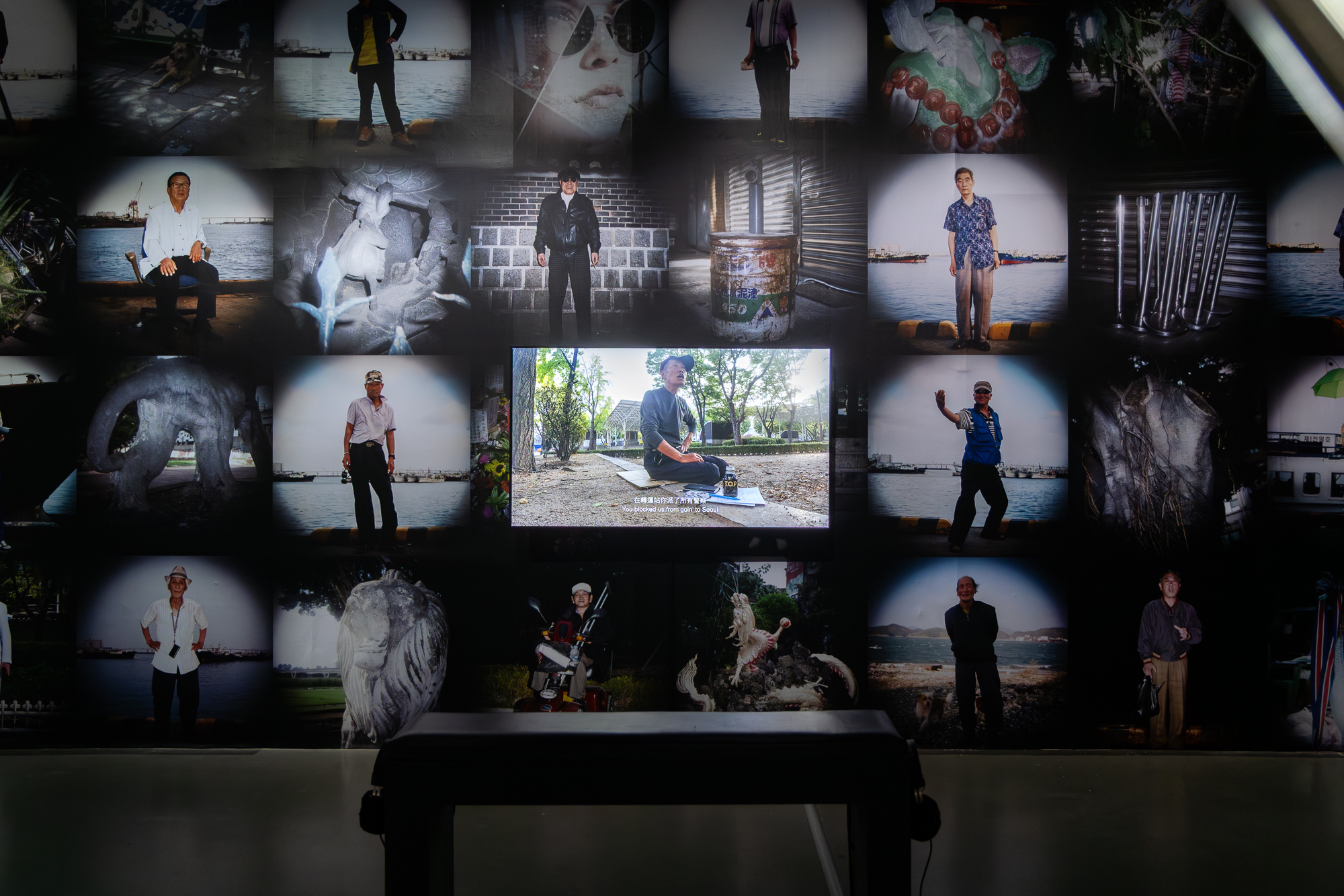
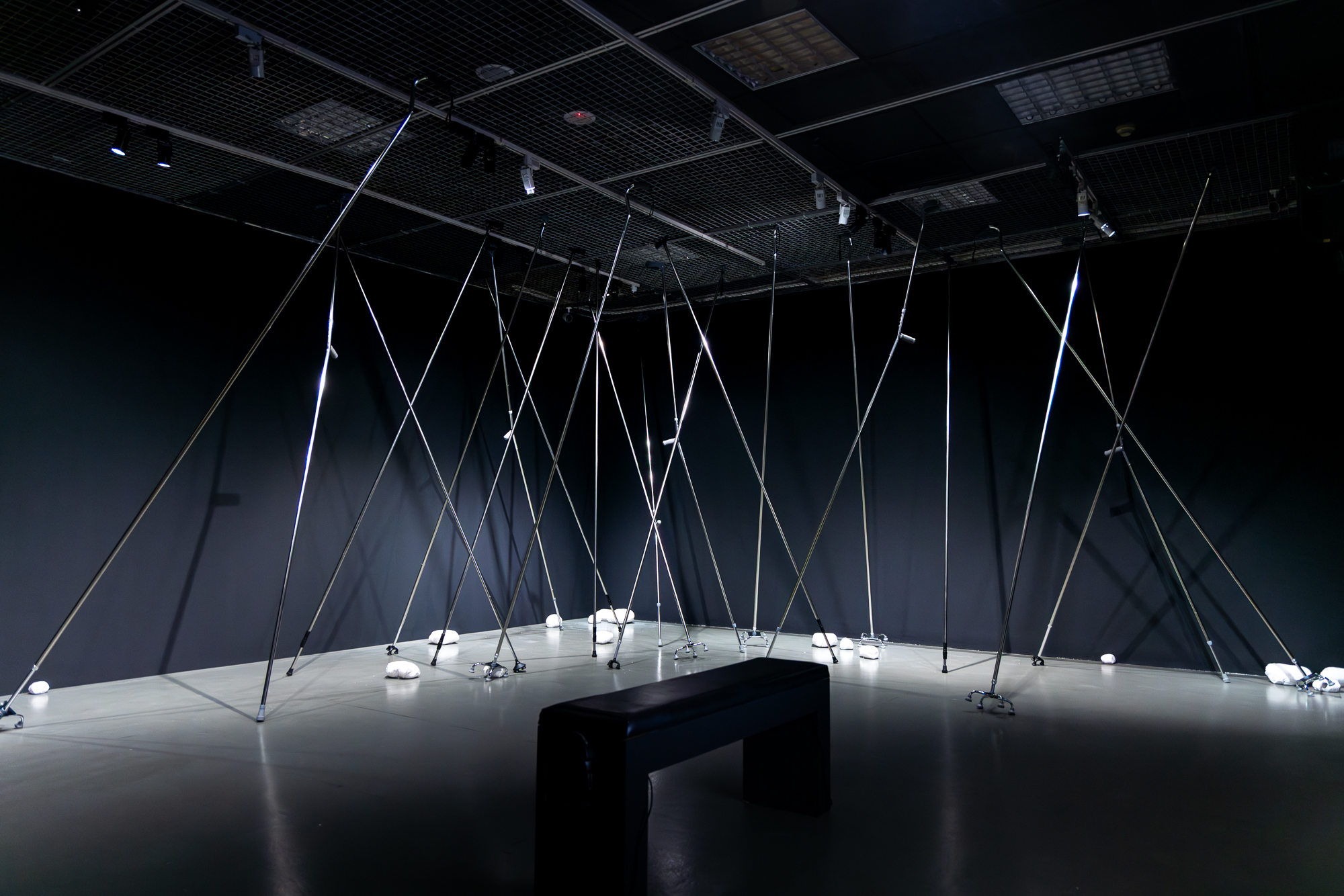
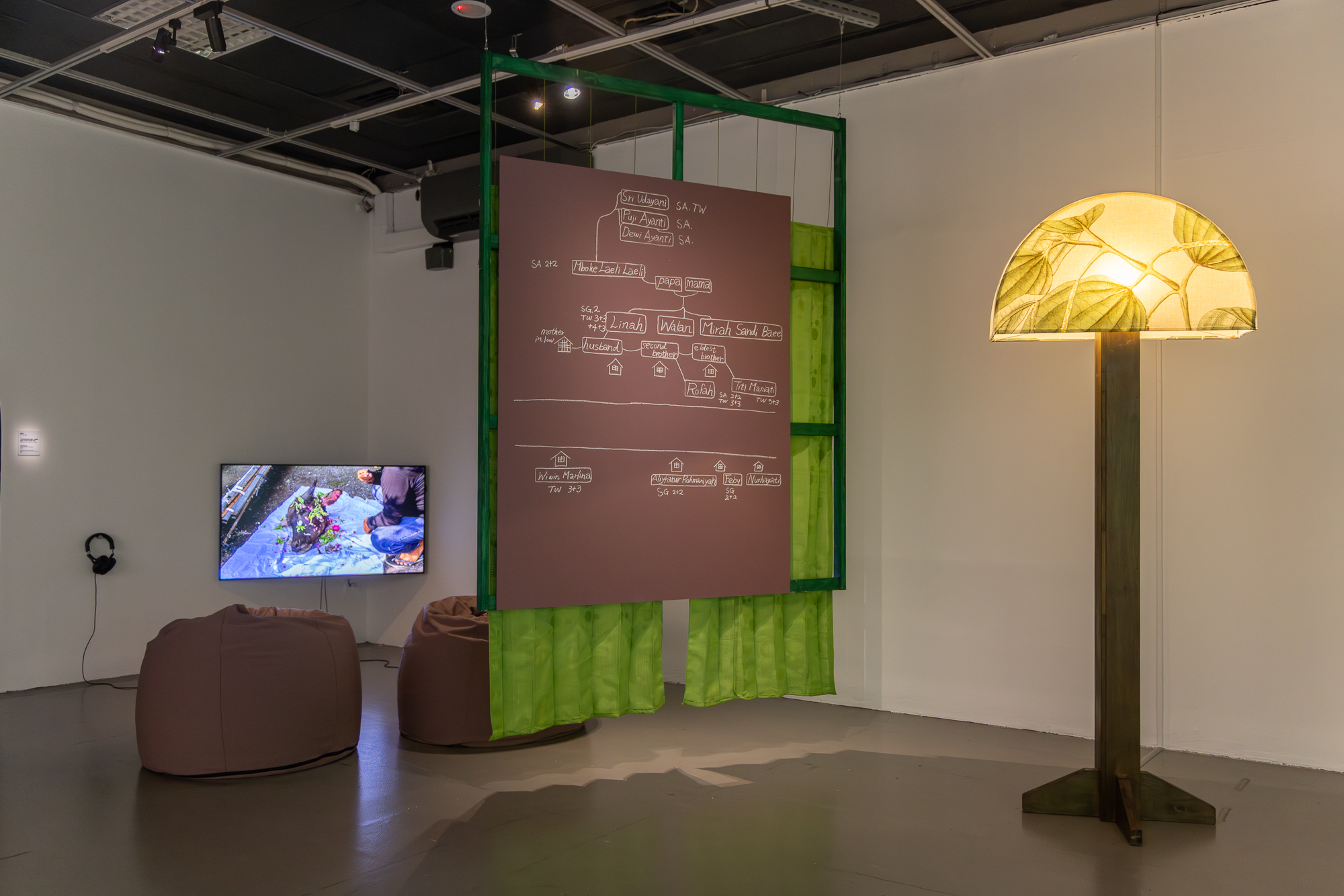
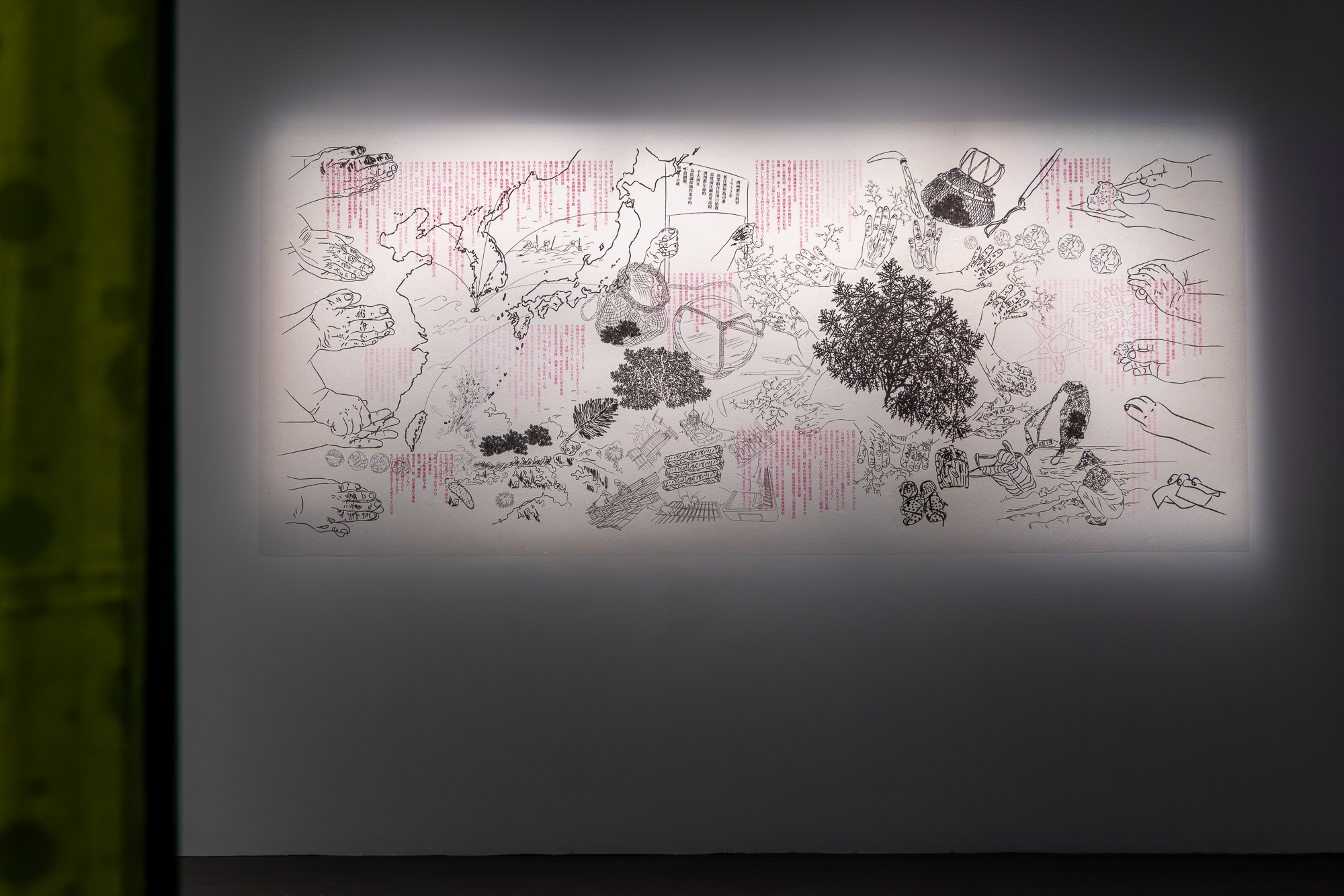
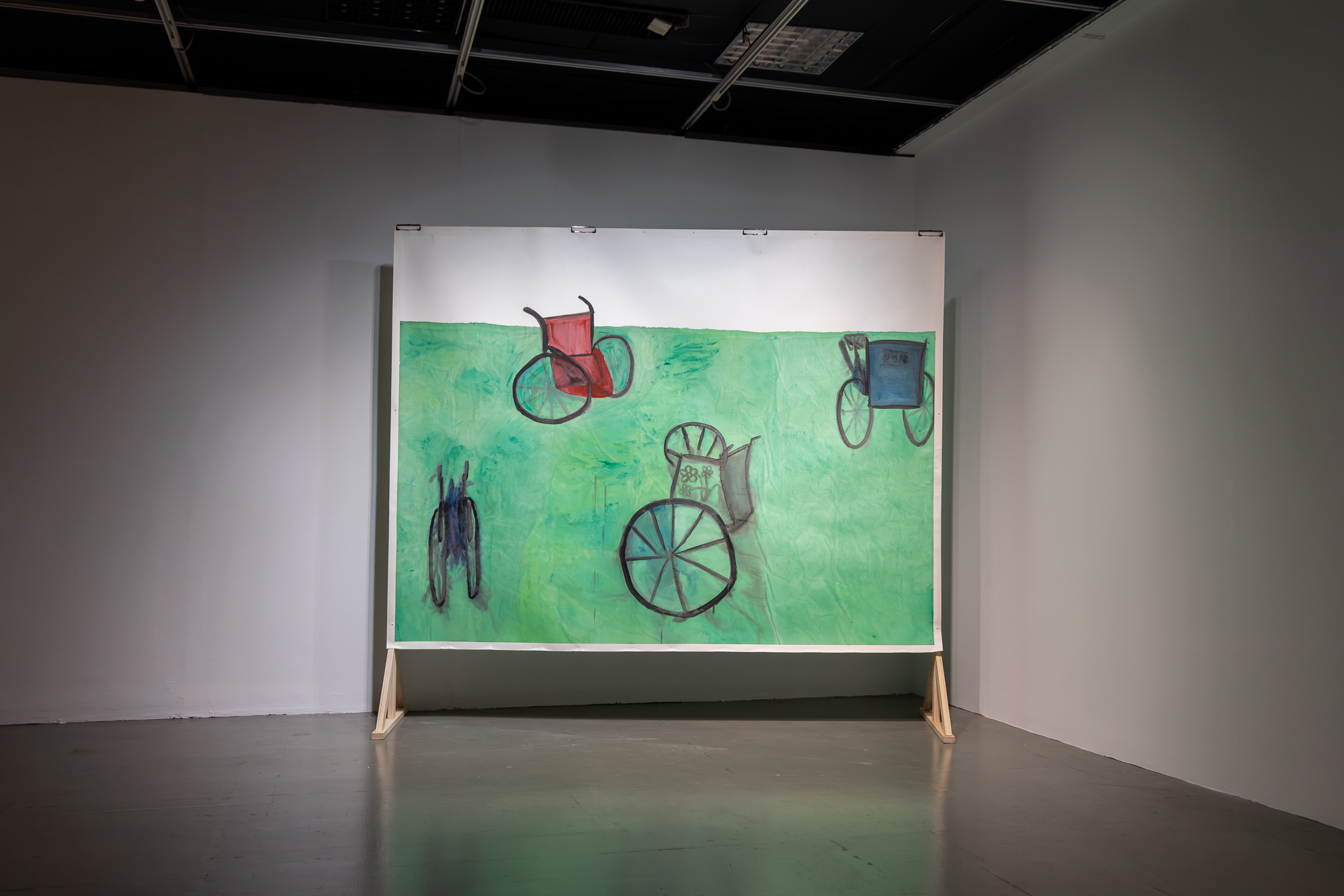
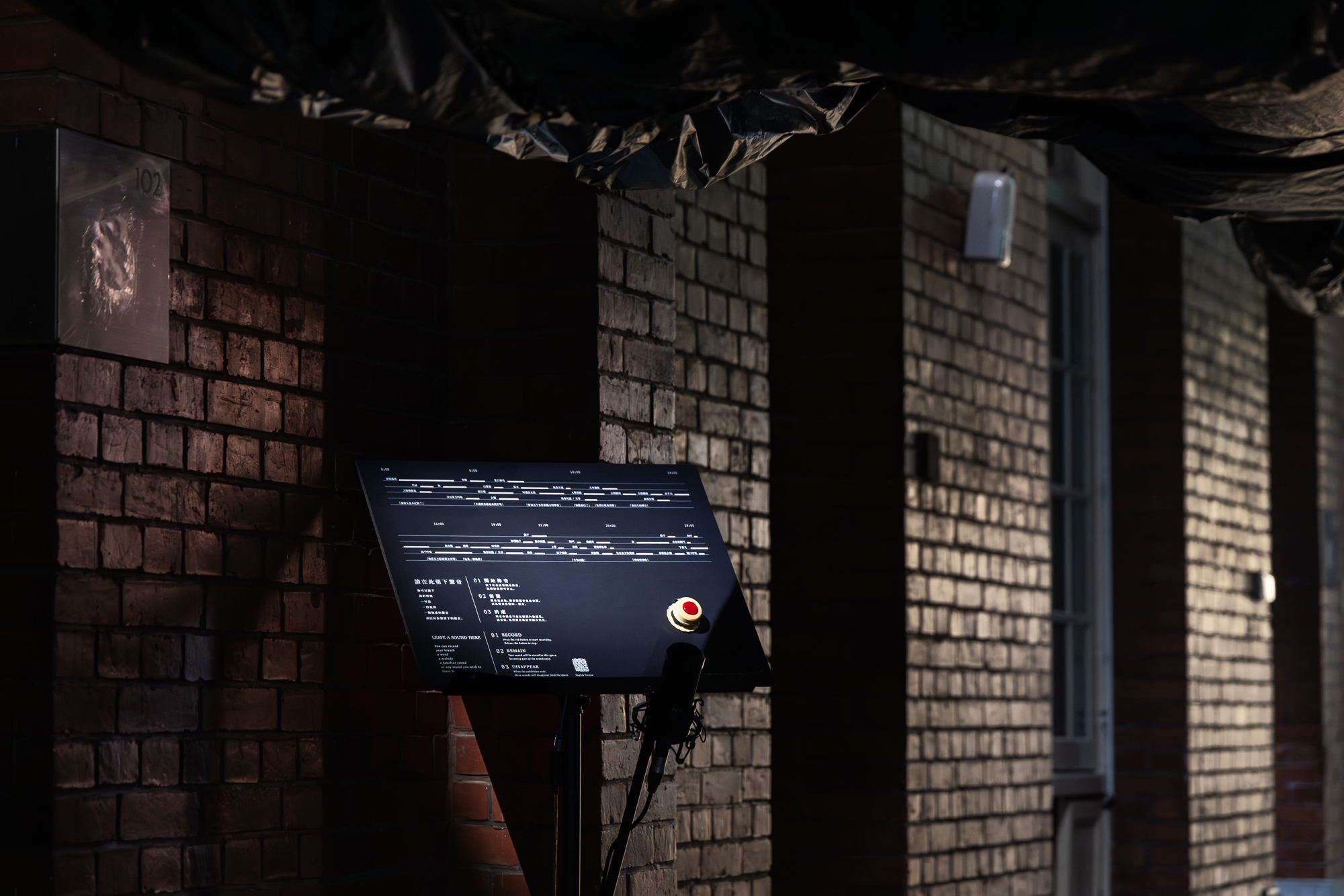
The exhibition brings together works by six artists from Taiwan and Korea, as they attempt to draw from diverse perspectives and social contexts to connect slices of reality with visions of the future. Through video documentation in the style of field observation, Hyeonjun Jung examines the unique sense of time among the elderly and the urban sceneries formed by their communal spaces. Drawing on her own experience in caregiving work, Doki Kim incorporates the spaces, objects, and traces of labor from caregiving settings into her creative work, revealing daily practices concealed from public view. Kuo Yu-Ping, meanwhile, delves into the migratory experiences of transnational caregivers to reflect on issues common to aging societies across Asia, including labor mobility, family structure, and the restructuring of intimate relationships. Hyemin Son examines the culture of female divers in Taiwan, Japan, and Korea, exploring how physical skills and local knowledge are passed down and transformed anew across generations. Chiu Wei-Hsiang’s large-scale painting uses wind as a metaphor for the passage of time, drawing viewers’ attention to the inevitable boundaries of life that everyone must eventually confront. Meanwhile, Wan-Chien Cheng creates a space where sound temporarily lingers, is preserved, and reverberates. The work invites viewers to explore how sound carries and shapes shared memories.

Through the dialogue between these artworks, this exhibition brings together originally unrelated experiences, and as they reflect on one another, new connections and questions emerge, gradually forming visions of future survival.

MORE

LESS

Curator Biography

HUANG Yi-Hsuan
Junghoon KIM

Huang Yi-Hsuan is currently a Specialist at the Contemporary Art Platform of C-LAB. Her curatorial and research practices focus on methods of memory and mourning within Asian contexts. She regards exhibition production as a foundation for developing curatorial methodologies, and explores how exhibitions can function as an “interface” that connects artworks, spaces, and audiences.

Recent curatorial projects include Trans-plant at the Audio Visual Pavilion, South Korea (2024); The Limit is the Turbulent Skies at the MoNTUE, Taipei, Taiwan (2025); and Life Is a Hushed Pond at Glitch, Taichung, Taiwan (2026). She is also the author of the independently published artist’s book In the Abyss (2024) and a member of the curatorial collective Nn̄g Project.

Junghoon Kim is a curator who addresses questions of exhibitions, spaces, collaborative work, and self-reliance in art within a coherent narrative. In making exhibitions, he places importance on a collaborative structure that readjusts the established roles of curator, artist, and space, and in which the working methods of participants influence the form of the exhibition and the operation of the space. From 2021 to 2025, he served as director of OpenSpace Bae, an alternative art space in Busan. Currently, through Jingzo, a project composed of artists and curators, he is experimenting with the possibility of a self-reliant community that connects the economic models of its members with the operation of an art space, and in which each person’s experiences and resources become a shared foundation.

Artist Biography

Hyeonjun JUNG
Doki KIM
KUO Yu-Ping
Hyemin SON
CHIU Wei-Hsiang
Wan-Chien CHENG

Hyeonjun Jung became aware of his own preconceived notions while studying photography. His practice begins with everyday conversations with close friends, family members, or people he encounters on the street, and continues by tracing and documenting their life stories through the medium of video. In 2021, as part of the public art project Seoul 25 Episodes, he organized and hosted a Baduk (Go) tournament for older adults at Jongmyo Park in Jongno, Seoul. This experience became the starting point for the continued development of his artistic practice. In recent years, his work has been presented in N ARTIST 2023: Slow Dance at Gyeongnam Art Museum (2023) and Equity: Peaceful Strain at the Gwangju Biennale Pavilion (2024).

Doki Kim is an installation artist who explores the conditions of sensation and perception through heat, light, pixels, and transformations in the state of matter. Using materials such as paraffin wax, metal, heaters, and LED displays, she creates moments in which invisible energy becomes perceptible through the body and material. In her heat-based works, touch, warmth, and material transformation reveal traces of relation and existence. In her pixel-based works, she dismantles and reconstructs images, examining the instability of the ways in which we perceive the world.

Kuo Yu-Ping’s practice spans painting, video, installation, performance, and writing, with a sustained focus on the ruptures and traumas between personal life experiences and historical structures. Often beginning from close observation and relational encounters, her works construct enveloping, immersive spaces that capture subtle and ineffable undertones in everyday life. Her recent projects have addressed issues such as identity within transnational mobility, the (ir)replaceability of caregiving as commodified labor, and the overlooked feminine voices within history.

Hyemin Son is a visual artist based in Busan, Korea and a member of Rice Brewing Sisters Club, which she co-founded in 2018. Her practice focuses on the collectivity inherent in the process of fermentation, approaching it as a practical engagement with organic materials and drawing inspiration from the ecological economic communities such as Haenyeo (sea women divers). She often employs fermentation as a metaphor for material transformation, exploring how materials and relationships between the human and the more-than-human can be reconfigured to foster alternative forms of participation and collaboration. In recent years, as part of the collective, she has participated in exhibitions including the Hawai’i Triennale, the National Museum of Modern and Contemporary Art (MMCA), Seoul, and the Kaohsiung Museum of Fine Arts.

Chiu Wei-Hsiang was born in 1997 in Dayuan, Taoyuan. He graduated from the Department of Painting and Calligraphy Arts at National Taiwan University of Arts and is currently based in Taipei. Using paper and canvas as his media, Chiu breaks away from the rigorous training in academic calligraphy and painting to capture fleeting moments when people, objects, and spaces intertwine through a playful, childlike perspective. He primarily makes art at night, channeling the exhaustion of a day’s labor into his brushstrokes, transforming painting into a daily ritual to document life and express emotions. The themes of his works revolve around the spatial changes brought about by land expropriation and demolition. Drawing on childhood memories, he renders scenes that are gradually shifting from tangible to blurry outlines, transforming the “earthiness” left behind by departed loved ones into a visual language that is both authentic and richly emotional.

Wan-Chien Cheng, a native of Pingtung currently based in Taipei, holds a Master’s degree in Sound Arts from the University of the Arts London. Having received classical music training from a young age, she began exploring the various phenomena of listening out of a fascination with the fleeting nature of sound. Specializing in reshaping listeners’ perceptions of sound through combinations of field recordings, sound installations composed of objects, and electronically synthesized sounds, in recent years, she has focused primarily on improvisational performances and sound arts, exploring themes that focus on the elderly, social affairs, cultural observations, memories, and the perceptual nature of sound. Cheng currently serves as a director and sound artist for the project, Aged-Soul.

Artwork Introduction

Old Man and Tiger, The Eighteen Arhats
Unseen Forest
What Grows in the Breach of Care
Umi-hands
In the Wake of the Wind
The Soundscape Score
MORE

Event

活動名稱

活動地點

活動時間

  • Activity Hall 1F, MoCA TAIPEI

    2026/10/07 Wed.

    14:00 - 16:00

CLOSE

CLOSE

Notice Copyright & Privacy Policy

Copyright Notice

MOCA Taipei holds a high respect for the copyright of others, and it is stated in MOCA Taipei’s terms of service that any user of the museum’s service shall not infringe on others’ copyright. Therefore, MOCA Taipei hereby ask all our users to respect others’ copyright. If you think any of the content on MOCA Taipei’s website or anyone using MOCA Taipei’s service has infringed on your copyright, we strongly advice to you to file a complaint according to the regulations stated below, and MOCA Taipei customer service center will initiate related procedures as soon as possible.

  • Regulations Governing the Report on Copyright Infringement

    If any of the content on MOCA Taipei’s website or anyone using MOCA Taipei’s service has infringed on your copyright, please fill out the “Copyright Infringement Notice,” provide the information and statements listed on the notice, and send them to MOCA Taipei via fax.

    1. Signature of the copyright owner or the signature of the proxy of the copyright owner; document proving the ownership of the copyright and the copyrighted contents, i.e. the cover and related pages of a publication, print-outs of webpage contents and the URL.

    2. The webpage and URL containing the contents that cause the copyright infringement.

    3. Your contact address and phone number.

    4. A written statement stating that you believe the use of the webpage content is without the consent of the copyright owner, the proxy of the copyright owner, or the authorization of the law.

    5. A written statement confirming that the information you state in the notice is truthful and you hereby make the statement as the copyright owner or the proxy of the copyright owner.

  • MOCA Taipei’s principle of handling the report on copyright infringement:

    1. MOCA Taipei will remove the webpage content claimed to cause the copyright infringement as soon as possible after receiving your notice, and will inform the user about the infringement via email. If the said user objects to said infringement, MOCA Taipei can provide your name, email or phone number to said user so that direct communication can be achieved to resolve the dispute.

    2. According to MOCA Taipei’s privacy policy and related regulations, MOCA Taipei is only allowed to provide a user’s personally identifiable information to a third party by the request of the law or a governmental agency unless said user agrees or for the purpose of providing a service. Therefore, when you file a report, MOCA Taipei will only remove the contents causing the copyright infringement, and will not provide you any personally identifiable information of said user. If you wish to obtain the user’s information, a legal proceeding must be filed at the District Prosecutor’s Office or the Criminal Investigation Bureau, who will issue an official letter to MOCA Taipei requesting the user’s information. In the case, MOCA Taipei will comply accordingly.

Privacy and Data Protection Policy

MOCA Taipei values user’s privacy very much and has implemented the following privacy and data protection policy, which is listed below for your reference.

The privacy and data protection policy includes MOCA Taipei’s management of personal identifiable information collected when providing users the website service as well as MOCA Taipei’s management of any personal identifiable information shared between the museum and our business partners.

The privacy and data protection policy is not applicable to any enterprise other than MOCA Taipei, nor does it apply to those that are not staff or managements employed by MOCA Taipei.

When you register a MOCA Taipei account, use MOCA Taipei’s products or services, browse MOCA Taipei’s website, take part in related promotional activities or gifting programs, MOCA Taipei will collect your personal identifiable information. MOCA Taipei is also allowed to obtain said information from our business partners.

When you register a MOCA Taipei account, you will be asked to provide your name, email, date of birth, sex, work title, field of profession and personal interests. Once your registration is successful and the account is successfully logged into for the use of our service, we will be able to recognize you.

MOCA Taipei also automatically receive and record the server data on your browser, including IP address, the information in MOCA Taipei’s cookie and the record of visited webpages.

MOCA Taipei uses the information for the following purposes: to improve advertisement and webpage contents provided for you, to complete your request for a certain product and to notify you about a special event or new project.

MOCA Taipei will not sell or loan your personal identifiable information to anyone.

In the following circumstances, MOCA Taipei will provide your personal identifiable information to a governmental agency, an individual or a company.

To obtain your consent before sharing the information with other individuals or companies.

To provide a requested product or service, which requires sharing your information with other individuals or companies.

To provide a requested product or service, which requires providing the information to companies providing the product or service on behalf of MOCA Taipei. (Without our notice in advance, these companies will not have the right to use the personal information we provided for purposes other than provide a product or service.

To abide the law or the request of a governmental agency.

When an action on the website violates MOCA Taipei’s terms of service or the specific user’s guidelines of a product or service.

Other information required to be disclosed by the Computer-Processed Personal Data Protection Law or other regulations.

To protect user’s privacy and personal data, MOCA Taipei is not allowed to look up other user’s account information for you. Should you need to look up someone else’s information due to legal issues, please contact the police to file a legal proceeding. MOCA Taipei will fully cooperate with the police to provide necessary information to assist with the investigation and solve the case.

MOCA Taipei will access your computer setup to extract MOCA Taipei’s cookie.

MOCA Taipei allows the companies that place advertisements on the museum website to access your computer setup and extract cookies. Other companies will follow their own privacy and data protection policies to use cookies instead of MOCA Taipei’s policy. Other advertisers or companies are not allowed to extract MOCA Taipei’s cookie.

When MOCA Taipei conducts tasks related to our products and services, web beacons are used to access our website network to use cookies.

MOCA Taipei’s users have the right to revise their personal MOCA Taipei account information and set up personal preferences anytime, including the option as to whether you would like to receive notifications about special events or new products.

Based on the Computer-Processed Personal Data Protection Law, when the purpose of using your personal information expires, MOCA Taipei will provide the service to delete your account and data. However, to do so, please contact us via telephone.

MOCA Taipei adopts a method that conforms to the Computer-Processed Personal Data Protection Law to protect your personal information.

To protect your privacy and safety, the data in your MOCA Taipei account will be password-protected.

Under some circumstances, MOCA Taipei uses the standard SSL security system to ensure the safety of data transmission.

MOCA Taipei has the right to revise our policies at any time necessary. When the regulations regarding using personal information are extensively revised, public announcements will be made on our website to inform you about the revisions.

Please tell us your ideas and suggestions here.