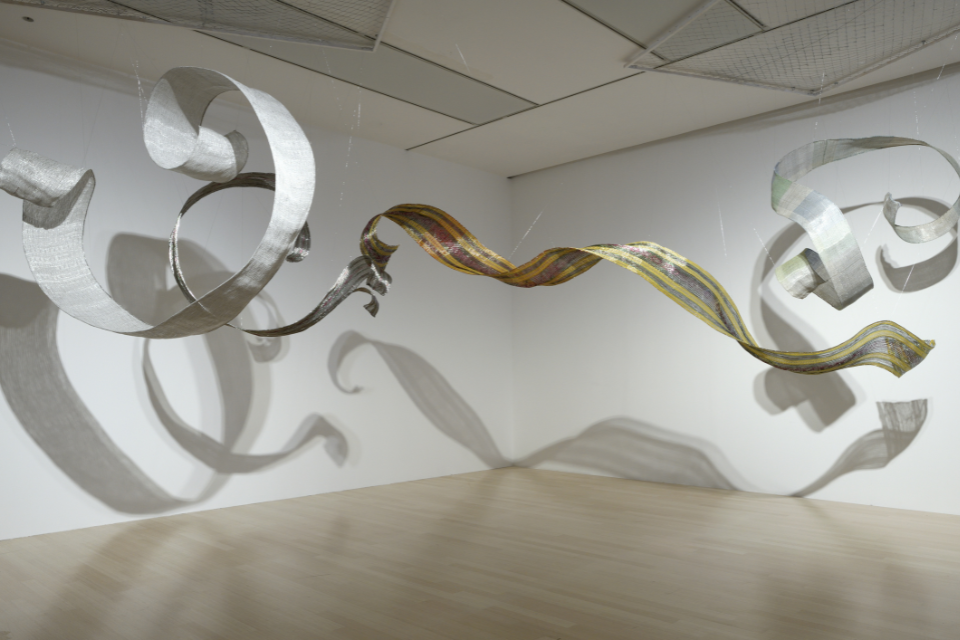
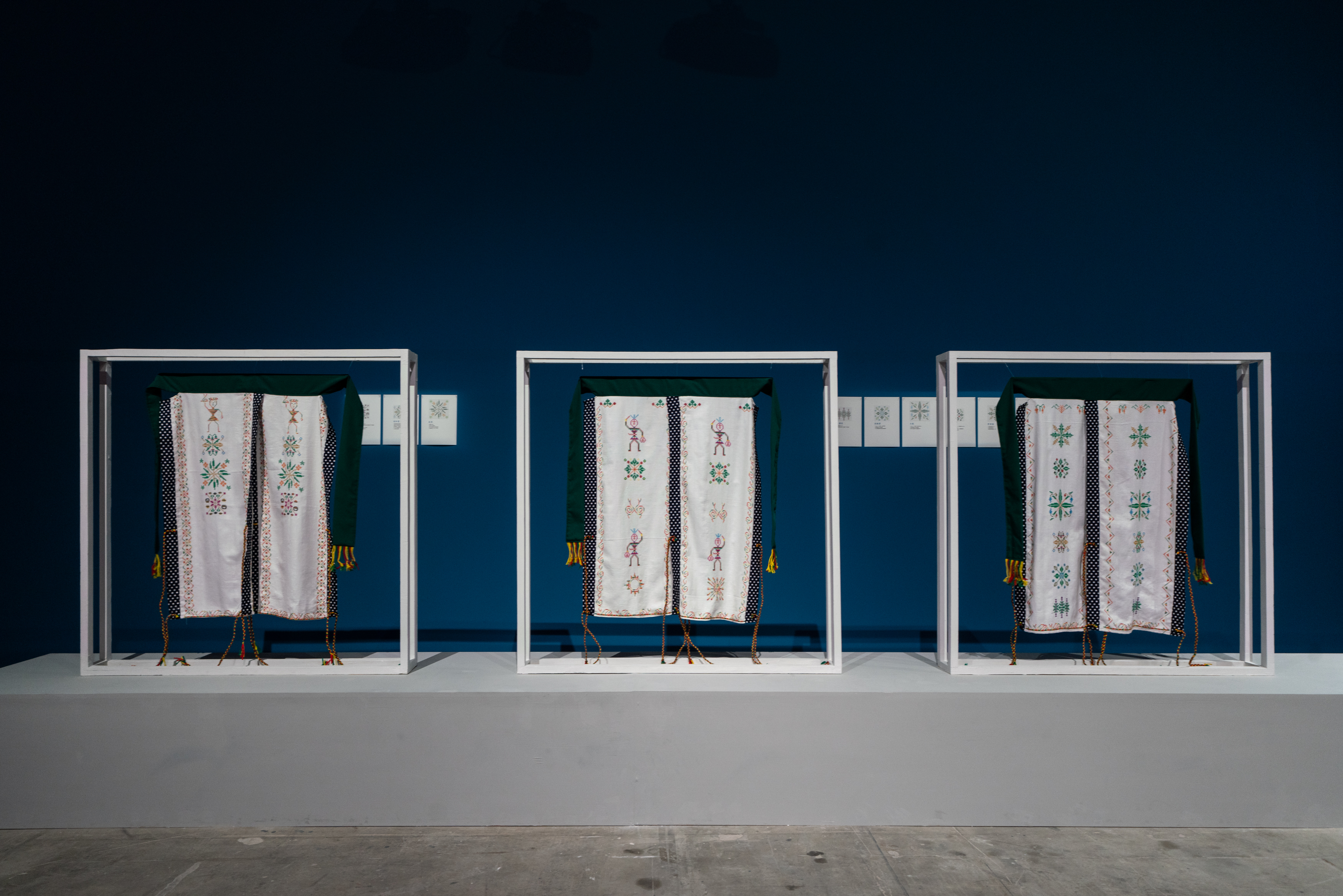
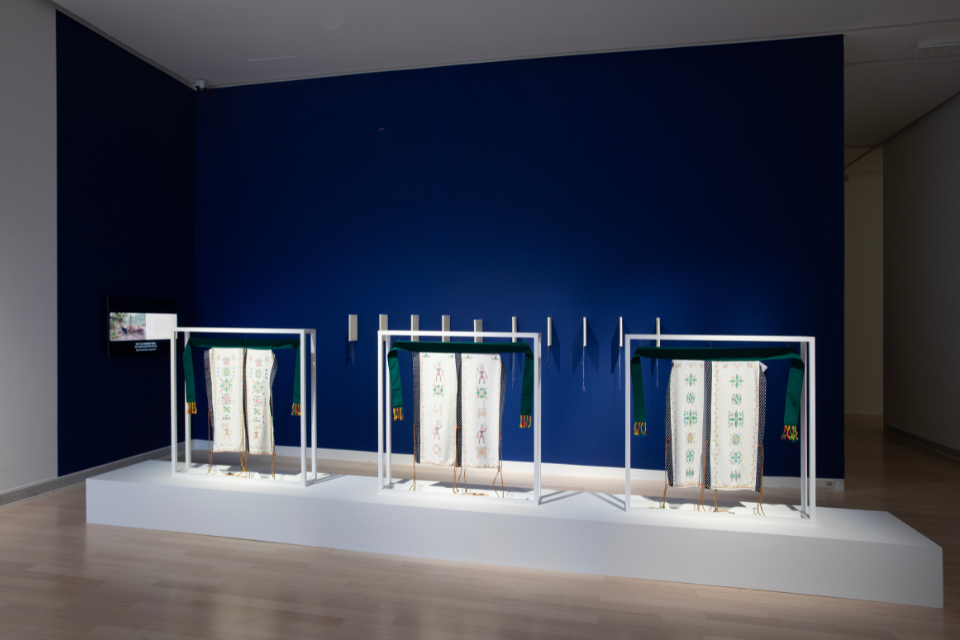
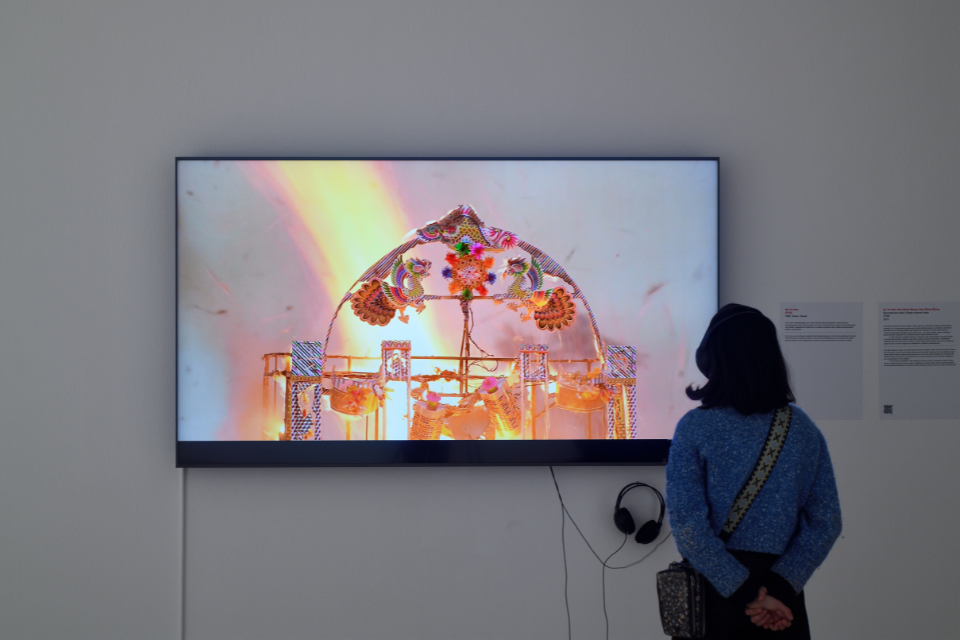
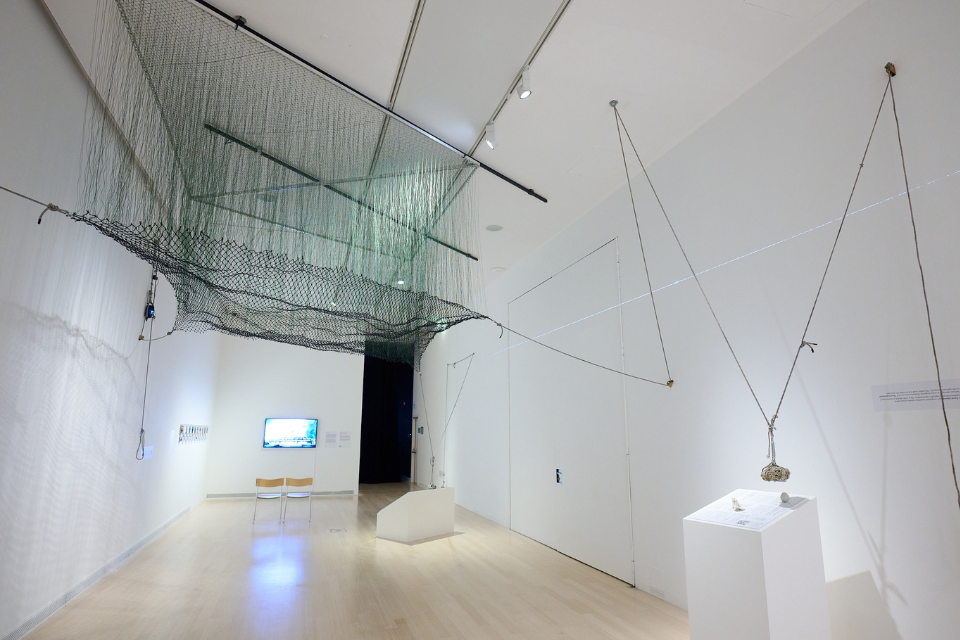
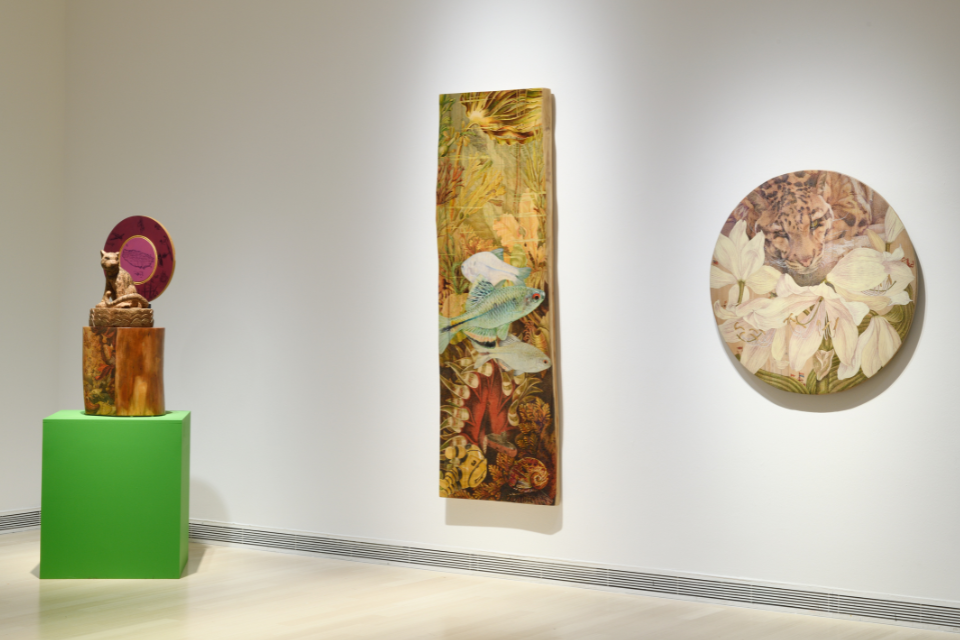
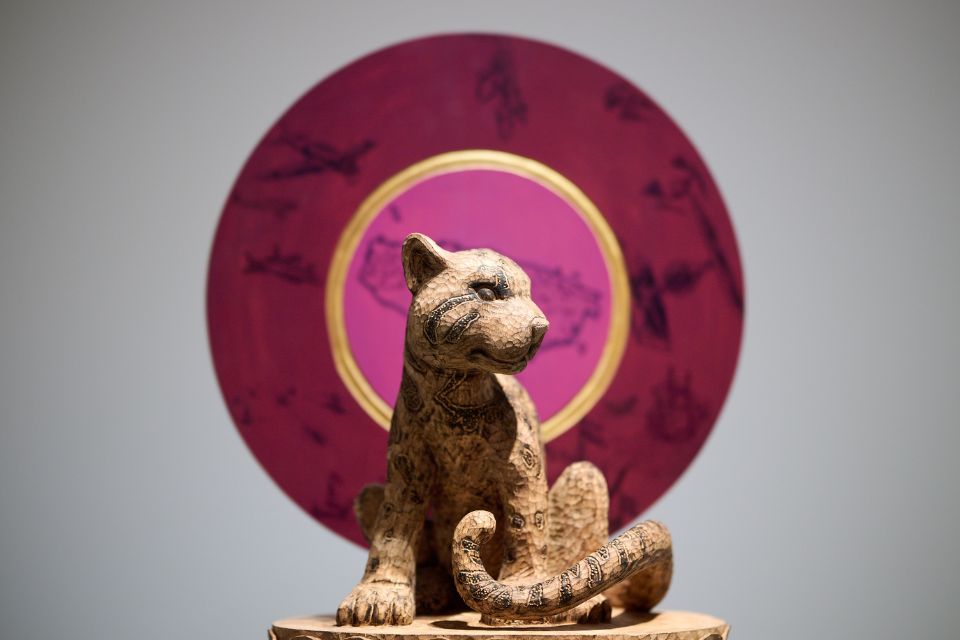
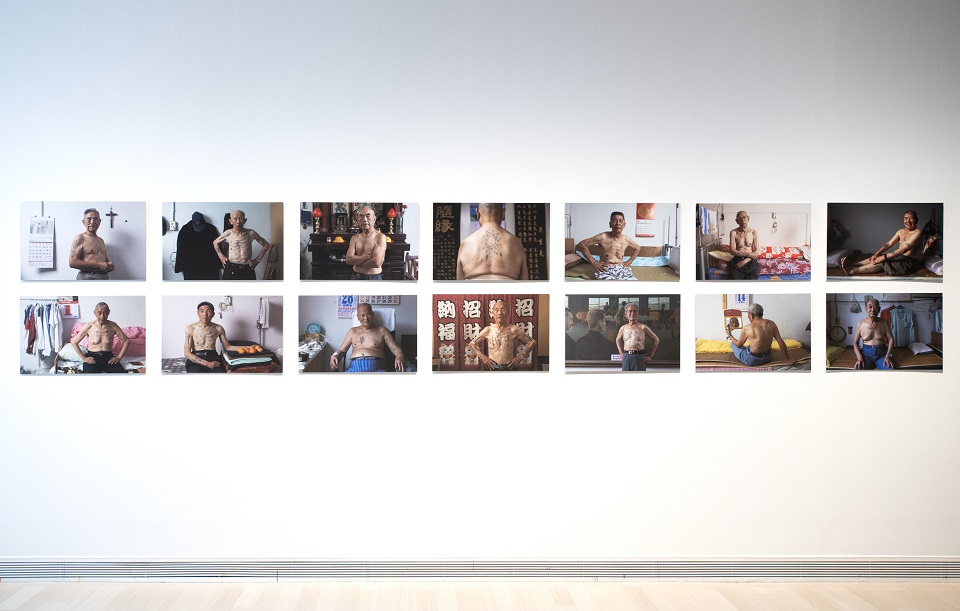
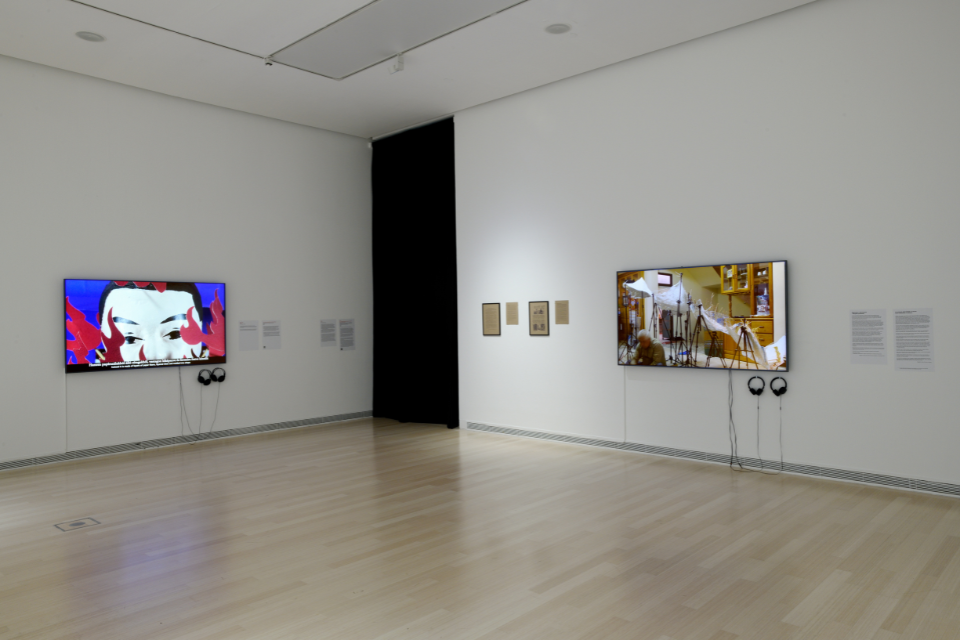
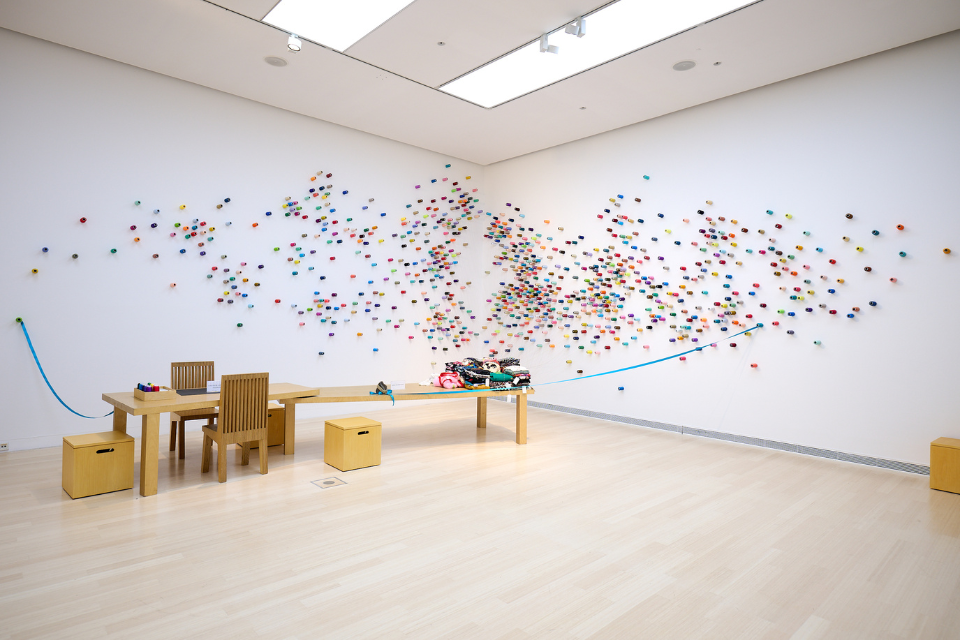
Yuma·Taru was born in the area of “llyung Penux” in the central part of Taiwan. As a cultural keeper who has the vital position in Taiwan’s indigenous artists, she dedicated herself to study, analyze, and remake the traditional weaving clothes of Atayal tribe, and carry on the diverse experiments and works. Drawing from her learning experiences of Atayal culture, Yuma·Taru transforms indigenous philosophy into the form and content of her art, while experimenting with the use of modern materials in traditional expressions. Her practice embodies a deep commitment to preserving and revitalizing her cultural heritage.
Currently based in Taipei, Taiwan, Hong-Kai Wang is an interdisciplinary artist working across exhibition making, curating, performance, writing, publishing and education. She holds a PhD in Practice at Academy of Fine Arts Vienna. Wang’s research-based practice is concerned with ethics and political aesthetics of listening in relation to politics of missing knowledge and memory.
Wang’s practice has been presented internationally not only in museums, festivals, academic institutions, but also in artist-run and public spaces, informal pedagogical programs and publications. Recent solo projects were shown at the following venues: Museo Nacional Centro de Arte Reina Sofía, Artspeak, Theater Commons Tokyo, Kunsthall Trondheim, Casino Luxembourg, etc. Group exhibitions at institutions including: Nottingham Contemporary, Para Site, Colomboscope, Autostrada Biennale, Performing Arts Meeting in Yokohama 2019, Asia Art Biennial 2019, SculptureCenter, dOCUMENTA 14, Taipei Biennial, Museum of Modern Art New York, among others. She was one of the represented artists at the Taiwan Pavilion at the 54th Venice Biennale.
As an educator, she has taught as a guest professor at École nationale supérieure d’arts de Paris Cergy, Bard MFA Milton Avery Graduate School of the Arts, and National Taipei University of Arts.
Born in Taiwan and currently living in Paris, New York and Taipei, Lee Mingwei creates participatory installations, where strangers can explore issues of trust, intimacy, and self-awareness, and one-on-one events, in which visitors contemplate these issues with the artist through eating, sleeping, walking and conversation. Lee’s projects are often open-ended scenarios for everyday interaction and take on different forms with participants’ involvement and change during an exhibition. He has held solo exhibitions internationally, including Fine Arts Museums of San Francisco | de Young, Tate Modern, Centre Pompidou, Gropius Bau, The Metropolitan Museum of Art, Museum of Modern Art, Whitney Museum of American Art, M+, Mori Art Museum, Taipei Fine Arts Museum, and has been featured in biennales in Venice, Lyon, Liverpool, Taipei, Shanghai, Sharjah, Sydney, Whitney, and Asia Pacific Triennials.
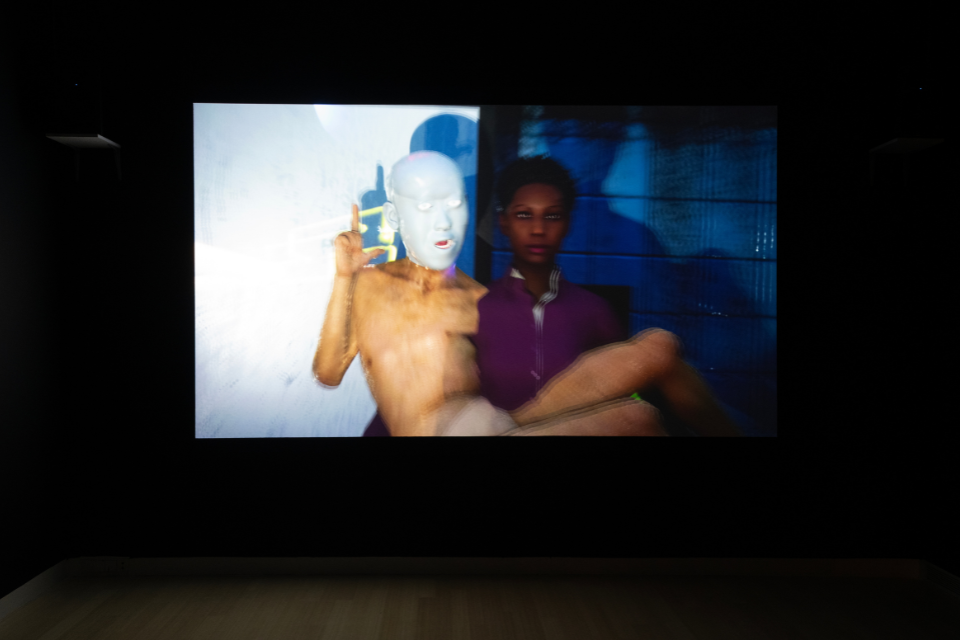
Born in Taipei in 1989, Li Yi-Fan holds an MFA in New Media Art from Taipei National University of the Arts and is currently an artist-in-residence at the Rijksakademie in the Netherlands. His notable accolades include the 8th Hong Foundation Tung Chung Prize (2024), the 20th Taishin Arts Award for Visual Arts (2022), and the Kaohsiung Award (2020). He has completed artist residencies across Japan and Europe, with his work exhibited in Taiwan, France, Spain, and Belgium. His pieces are held in both domestic and international collections. Li Yi-Fan’s practice, spanning sculpture, painting, video projection, and game engines, often employs monologues to delve into the intricate relationship between humanity and technology. Through his art, he frequently illustrates the interwoven dimensions of storytelling, daily life, and creative mediums that characterize his process.
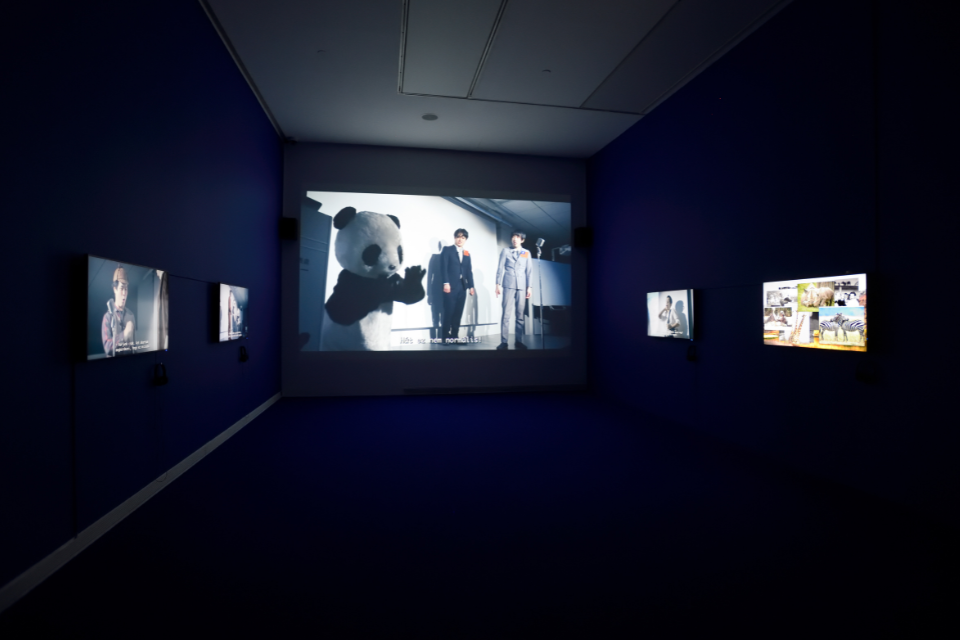
Your Bros. Filmmaking Group is a foolish filmmaking team composed of So Yo-Hen, Tien Zong-Yuan, and Liao Hsiu-Hui. Based in Tainan, Taiwan, since 2017, the members come from diverse backgrounds: contemporary art, architecture, and art history research.
They firmly believe that the uniqueness of their films lies in their immature productions. The group focuses on field research, creative workshops, the incorporation of serendipitous events, and dynamic on-the-spot editing of narrative structures. Through “filmmaking” as a method, we reinterpret reality, imbue it with aesthetic significance, and transform it into a medium for thought.
Yuan Goang-Ming (b. 1965, Taipei) graduated from the Department of Fine Arts, National Institute of the Arts (now National Taipei University of Arts) in 1989. In 1993, he was awarded the DAAD German Exchange Scholarship, and the following year, he pursued research in media art at the Institute for New Media in Frankfurt, Germany. He received his master’s degree in media art from Karlsruhe University of Arts and Design (Staatliche Hochschule für Gestaltung, Karlsruhe, Germany) in 1997.
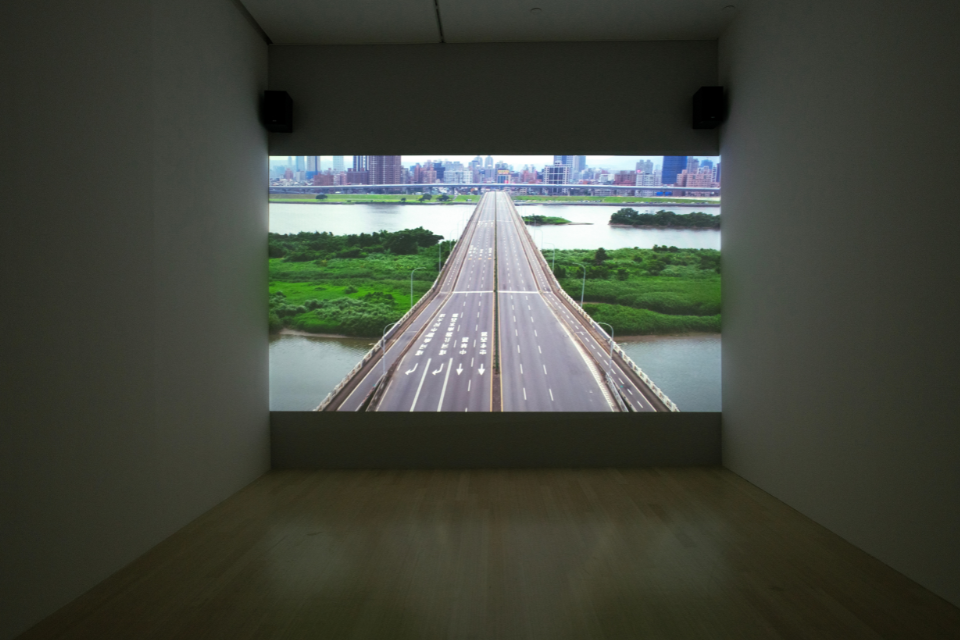
Since 1987, Yuan’s dedication to video art has established him as one of Taiwan’s pioneering new media artists. He works across various media, including single-channel videos, video installations, kinetic and light-based installations, and digital still images, among others. Through these forms, he has consistently explored and expanded the possibilities of video and media art. His works have been widely exhibited at major international art exhibitions, and he represented Taiwan at the Taiwan Pavilion of the 50th Venice Biennale (2003) and the 60th Venice Biennale (2024).
Graduated from Le Fresnoy - Studio National des Arts Contemporains in France, Hsu Chia-Wei is an artist, filmmaker, and curator, who merges the languages of film and contemporary art, and explores the hidden dynamics behind image production. Through his artistic practice, Hsu weaves connections between humans, materials, and places that have been overlooked or omitted in conventional historical narratives.
Hsu has held solo exhibitions worldwide, including Silicon Serenade at Liang Gallery (2024; Taipei), Black and White – Malayan Tapir at ISCP (2018; New York), MAM Screen 009: Hsu Chia-Wei at the Mori Art Museum (2018; Tokyo), Huai Mo Village at Hong-Gah Museum (2016; Taipei), which won the 15th Taishin Arts Award Grand Prize, and Position#2 at the Van Abbemuseum (2015; Eindhoven). In 2024, Hsu received the 10th Eye Art & Film Prize.
His works have also been displayed in major group shows such as Machine Love at Mori Art Museum (2025), Untranquil Now at Hamburger Kunsthalle (2024), Thailand Biennale Chiang Rai (2023), Aichi Triennale (2022), Asia Pacific Triennale (2021), Singapore Biennale (2019), A Tale of Hidden Histories at the Eye Filmmuseum (2019), and so on. He also curated the Asian Art Biennial at the National Taiwan Museum of Fine Arts (2019).
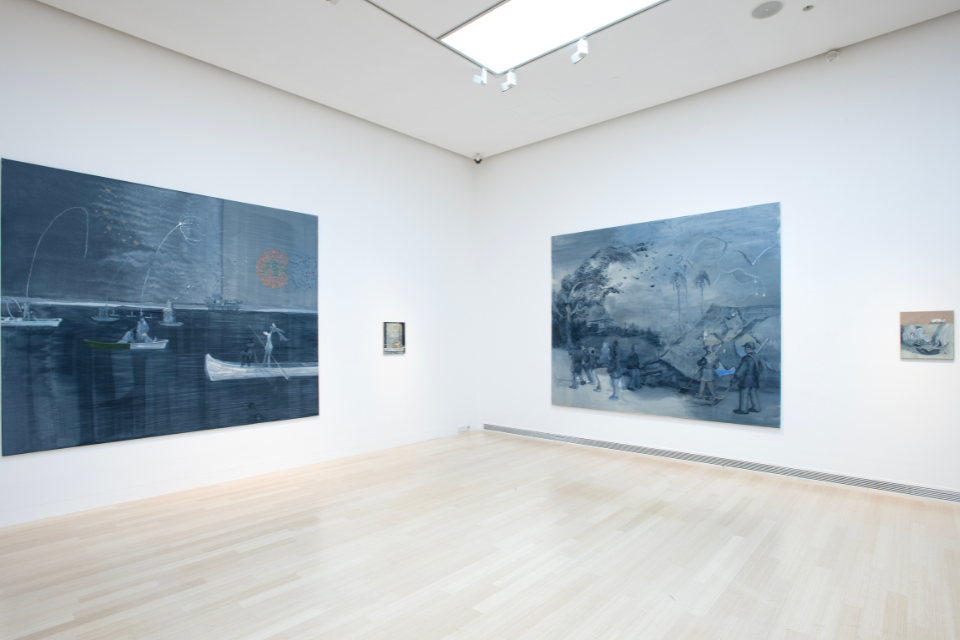
Chen Ching-Yuan, born in Tainan in 1984, currently lives and works in Taipei. He holds an MFA from Taipei National University of the Arts. Primarily working with painting, his practice extends into installations and animation. His works explore the intersection between personal memory and collective experiences, combining historical fragments and social phenomena to construct allegorical images rich in narrative tension. Chen has held solo exhibitions in Paris, Taipei, and Bogotá, and participated in international exhibitions such as the Taipei Biennial, the Asia-Pacific Triennial, and the Asia Triennial Manchester. His works have been collected by institutions including FRAC des Pays de la Loire in France, Comma Foundation in Belgium, and the National Taiwan Museum of Fine Arts. In recent years, he continues to expand his artistic vocabulary, investigating the political and perceptual boundaries within images, narratives, and viewership.
Chen Chun-Yu was born in 1989 in Kaohsiung, Taiwan, and currently lives and works in Taichung, Taiwan. Chen’s works are inspired by observations of the micro-world and correspond to an exaggerated (impossible) method of realization. To face problems with a sincere and practical approach is not the artist’s intent, and Chen prefers to humorously tackle moral principles and ethics that seep through irrelevant associations and to paralyze social imaginations that require restructuring.
A veteran in his field, Huang Tzu-Ming has spent the past four decades shaping the landscape of photojournalism in Taiwan. As a photojournalist, photo editor, and director of a leading media photo desk, he has played a pivotal role in capturing and curating some of the most defining moments in contemporary Taiwan. Dedicated to education, the artist imparts his expertise at universities whilst serving as a judge for esteemed competitions such as the China International Press Photo Contest and the National Geographic International Photo Contest, amongst others in Taiwan and beyond.
With an unwavering commitment to documenting socio-political change, Huang has used his lens to chronicle historic events before and after the lifting of Taiwan’s 38-year martial law. His extensive career has placed him at the forefront of major international developments. Taking a humanist approach, he aims to amplify the voices of marginalized communities—shedding light on the struggles of indigenous and Taiwanese Comfort Women, Korean War POWs, indigenous peoples and Southeast Asian migrant workers. His visual narratives, which capture both hardship and resilience, have been exhibited at prestigious venues, including the Daegu Photo Biennale, the Busan International Photo Festival, and leading art galleries across Taiwan.
Simple Noodle Art is an art collective founded by Chen Zi-Yin and Chuang Hsiang-Feng in 2019. They use diverse media, including installation, video, photography, and AI. With backgrounds in art and computer science respectively, they explore the interaction between technology and humans, and how such interactions transform contemporary ways of living. Through interdisciplinary thinking, they aim to create works like simple noodles with simple ingredients, but with an amazing taste. Simple Noodle Art is the recipient of the Prix Ars Electronica Honorable Mention (2023), and their works have been exhibited at venues including Ars Electronica Festival, LEV Festival, Jut Art Museum, National Taiwan Museum of Fine Arts, Taiwan Contemporary Culture Lab, Museum of Contemporary Art Taipei, and LIN&LIN Gallery.
Utilizing the forms of the moving image, photography, installation, and creative forms of self-organizing and collective projects, Chang En-Man’s practice explores how the indigenous people of Taiwan negotiate the ever-shifting socio-cultural terrains and conditions for survival in contemporary Taiwan against the backdrop of modernization and urbanization. With this as a point of departure, Chang excavates lost histories and narratives to explore the world at large, aiming to embody the transformative potential that art holds. Chang has had solos in Taipei (2012), Vancouver (2016), Los Angeles (2017); and exhibited in major projects such as the Taipei Biennial (2014), Taiwan Biennial (2018), Istanbul Biennial (2019), Cosmopolis #2 at Centre Pompidou (2019), Singapore Biennale (2019), Kathmandu Triennale (2022), and the documenta fifteen (2022).
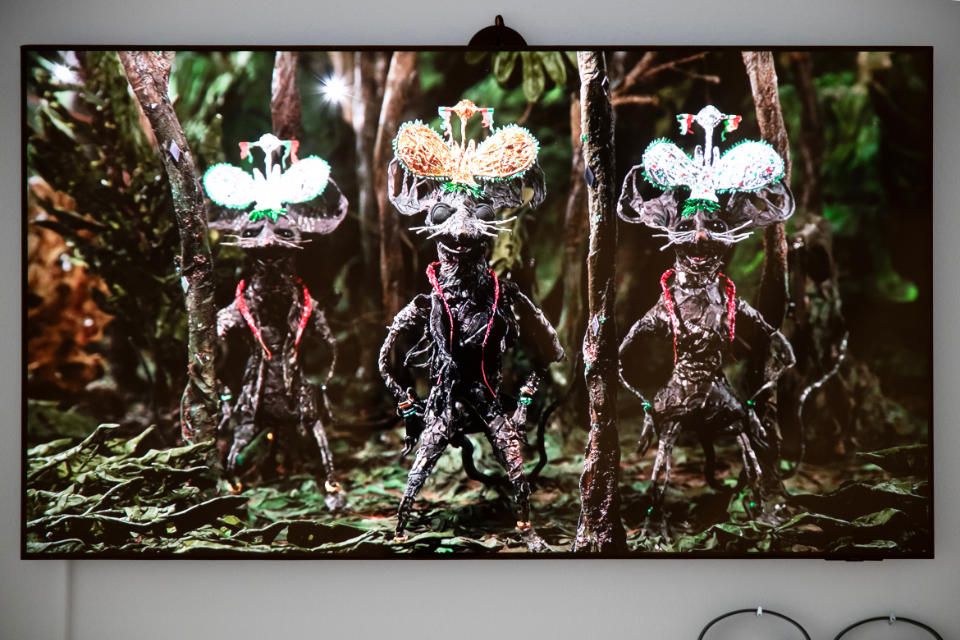
Zhang Xu Zhan’s works are full of bizarre, absurd, grotesque imagery, intended to discuss society and contemporary survival experiences. Zhang Xu Zhan specializes in hand-drawn animation, puppet animation, and digital imagery, combining experimental film and cinema with multi-channel video installations. He also exhibits various puppets and hand-drawings alongside expanded cinema and other new media arts. His works have been collected by the Taiwan Museum of Fine Arts.
Chang Li-Ren, born in 1983, currently lives and works in Tainan, Taiwan. His body of work mainly consists of video installations, conceptual art and animations created from his storytelling techniques, featuring a virtual world that exists somewhere between imagination and reality.
Chang was shortlisted for the Taishin Arts Award (TW, 2010); awarded First Place of Kaohsiung Awards (TW, 2009); awarded First Place of Taipei Art Awards (TW, 2009).
Chang has participated in many important exhibitions, festivals and biennials, including: Battle City: Finale, MoNTUE, Taipei (TW, 2024), Future Media Arts Festival, Taiwan Contemporary Culture Lab, Taipei (TW, 2021); Double Echoing, 13th Gwangju Biennale Taiwan C-Lab Pavilion, Asia Culture Center, Gwangju (KR, 2021); City Flip-Flop, Taiwan Contemporary Culture Lab, Taipei (TW, 2019); Once Upon A Time-Unfinished Progressive Past, Museum of Contemporary Art, Taipei (TW, 2019); Wild Rhizome: 2018 Taiwan Biennial, National Taiwan Museum of Fine Arts, Taichung (TW, 2018); Asia Anarchy Alliance, Tokyo Wonder Site (JP, 2014); Remaster vs Appropriating the Classics, am Space, Hong Kong (CN, 2014); Schizophrenia Taiwan 2.0 (2013-2014).
ChihChung Chang is a visual artist and cultural researcher based between Groningen, Netherlands, and Kaohsiung, Taiwan. Chang regards water as a medium to penetrate the inner spirit and outer material to reflect the transition, flow, and anti-subjective instability of his homeland Taiwan under the subtropical monsoon climate. His works combine multiple forms and media with keen craftsmanship, paying attention to those ever-changing environments of ships, islands, waters and ports, and exploring the universal experience, tension and grey areas between human civilization and nature.
His works have won first prize in the Kaohsiung Awards, and have been selected for the Taoyuan International Art Award, the Taipei Art Awards, and the Taishin Art Award quarterly nominations. His works have been exhibited in museums, galleries, biennales, art festivals and film festivals worldwide. Selected activities include the Pan-Austro-Nesian Art Festival, Taiwan; Biennale Jogia, Indonesia; ARKO Art & Tech Festival, South Korea; Jan van Eyck Academie, Netherlands; Ocean Space by TBA21 the Korean Pavilion’s public program at the Venice Biennale; and the Liverpool Biennial, United Kingdom. Chang has participated in leading artist residency programs in Taiwan, Korea, Norway, Finland, the Netherlands and cross-nationally.
Yang Mao-Lin is one of the most representative artists in contemporary Taiwanese art. Emerging in the 1980s, his early works challenged political authority and social norms through bold, confrontational imagery. Influenced by Taiwan’s complex political history, including martial law and democratization, his art reflected a fearless critique of power and transformation. In later years, Yang’s focus turned inward, exploring identity and cultural hybridity. His visual language draws from both local traditions and global pop culture, resulting in a unique style that blends the mythic with the modern. Working across painting, installation, and digital media, Yang continues to respond to Taiwan’s evolving cultural landscape. For Yang, art is not only a form of expression but also a way to engage in dialogue—with history, with society, and with the world.
Born in 1985, Liu Yu is a visual artist whose creative mediums primarily consist of video and spatial installations. She developed a series of field studies of documentary nature as a kind of working methodology in relation to her artistic practice, prompting her to reorganize interconnected narratives. Through integrating fragmented segments of space, history, imagery, and storytelling, she undertakes some integrative project that establishes close connections and supplements the narratives. How human visions the world, how attributes of spaces change, and how things are constantly being defined in a system—these all contribute to giving an account on the progression of humanity. Furthermore, her works offer a sample of a specific historical moment with regard to a grander context, a boundary-breaking reexamination that helps disrupt strictly defined scientific methodologies in which we are all too familiar. The artist’s recent solo exhibitions include Ladies at the National Taiwan Museum of Fine Arts (2023) and If Narratives Become the Great Flood at MEME Space in Taiwan (2020). Group exhibitions include 2025 Yebisu International Festival at TOP Museum in Tokyo (2025), Aqua Paradiso at ACC in Gwangju (2022), Phantasmapolis-Asian Art Biennial at the National Taiwan Museum of Fine Arts(2021).
Cheng holds a BFA in Theatrical Design & Technology from Taipei National University of the Arts and an MA from the Frank Mohr Institute, Minerva Art Academy, Hanze University Groningen, Netherlands. As an artist and software developer, his work spans electronic installations, software, and experimental bio-electronic devices, exploring human behavior, emotion, software, and machinery. With humor, he infuses his creations with life-like qualities and existential significance, reflecting his personal experiences and environmental observations. Recognized as Young Talent 2011 in the Netherlands, he has won the Taipei Digital Art Award (2013), Kaohsiung Award for New Media Art (2017), Tung Chung Art Award (2019), and the 19th Taishin Arts Award-Visual Arts Award. His works have been showcased in solo and group exhibitions across Taiwan, Asia, and Europe, including the Guangzhou Triennial, Taiwan Biennials, and exhibitions in the Netherlands, Slovenia, Norway, Italy, Germany, and France.
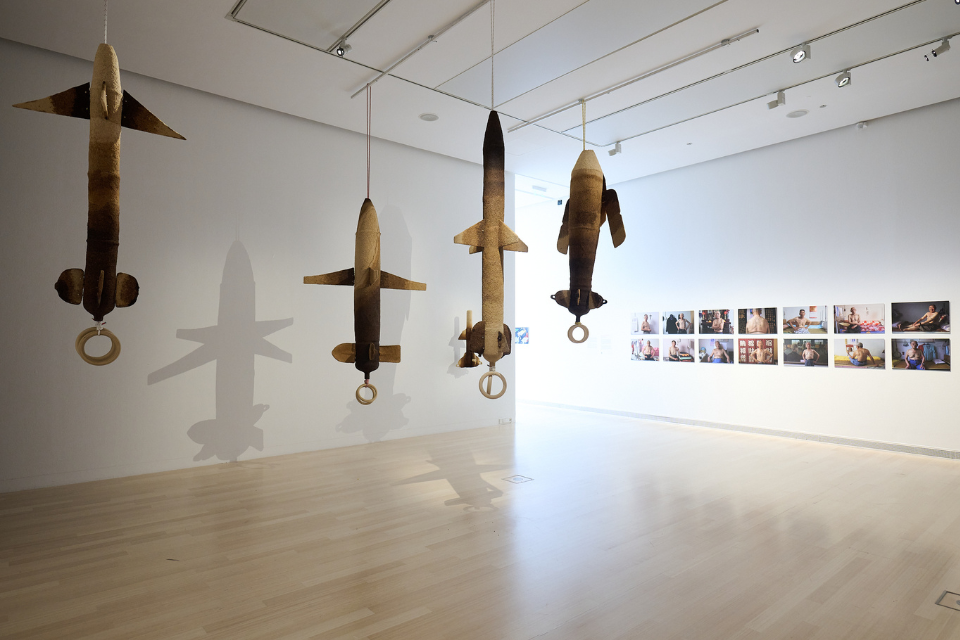
Born in 1985 in Taipei, Lo Yi-Chun graduated from the Graduate Institute of Fine Arts, National Taiwan University of Arts in 2010. Her work explores the historical context of economic crops, using natural media such as banana peels, tobacco, and bagasse to create a wide range of objects and spatial installations that reflect on the history of economic crops in the context of global trade. In addition to exploring the relationship between agriculture and politics, her work also addresses the movement of people and commodities in the globalized world.
So Yo-hen, an art enthusiast, studied at the Graduate Institute of Arts at Tainan National University of the Arts and is currently a member of Your Bros. Filmmaking Group. His creative work spans various mediums, and he approaches it without preconceived notions about what he’s doing.